Greetings Neighbors and Strangers,
As it turned out, the New Hampshire Organic Farming Conference where Sam and I would speak fell on the day after my mother’s birthday, so our weekend trip would attempt to feed two birds with one tank of gas, so to speak. My dear Mother turned 81; these moments together seem even more precious than they already were.
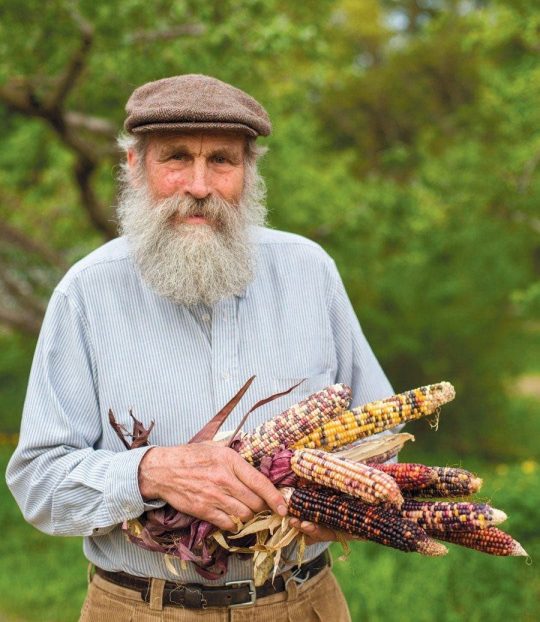
At the conference, I met an old farmer of about the same vintage. Tweed hat and dress jacket, wool pants and worn leather boots. His white beard and faint “New Hamp-shah” accent completed the picture. He could have been straight out of the Scottish Isles. He sat right up front for the talk Sam and I gave titled Gift. Economy. Farm. Feeding One Another Without Buying and Selling Food. I would find out later in the day that he studied agriculture back in the early sixties at Cornell, one of the most prestigious Ag colleges in the country. “They taught me all about the chemicals, but I wasn’t convinced,” he told me. He began remembering how to grow food without chemicals before “organic” became a movement and then a brand.
I ended our talk by saying: “I’ve heard that there is only one sure fire remedy for heartbreak: Less Heart. Let’s see if we can sing a different song.” Sam asked everyone to sit quietly and write down a few words to describe what our stories about food gifting had stirred in them, or a few words to name their longings. A late middle-aged, well-graying man opened the discussion by describing the piece of land he owns and how he’s come to the conference in hopes of finding a young person to farm it. He’d planned to lease the land, but after our talk he’s got something else on his mind. “I actually received the land as a gift,” he tells the group. “All I really long for is to share it. After listening to what you’ve just described, I realize that I carry a fear that I’ll be taken advantage of.”
The group whole-heartedly accepted our invitation to steer away from solutionism, which tends to be the conversational norm at such conferences. A younger farmer in the room said, “I run a small CSA farm. On my better days I feel like I’m doing something very worthwhile. On others, I feel like I’m just subsidizing the lifestyles of rich people by working myself and my land to the bone.”
But the joy kept bubbling up through the cracks of the collective grief ritual that our “workshop” had become. One bright-eyed young climate activist mirrored back the phrase “reckless generosity of soil, sunlight and rainfall.” She said, “That’s it. That’s the longing. To live in a community where I could give myself to others in that way.” Longing appears to have the capacity to carry grief and joy in the same hand.
The old farmer-man in tweed sat quietly in the front row. I wondered what he thought of all this, having sold food to pay the bills for some fifty years. Just then, the conference organizer popped his head in our room to remind us of the time. Lunch had already begun. He didn’t want us to miss it. But the old man did have something to say before the group dispersed. He said, “It seems to me that we’ve grown richer in money but increasingly impoverished in spirit.” That was his final word.
A woman of about my age who came to our talk would be offering a workshop at the end of the day called “Spirituality and Farming.” You may have noticed that I don’t use the word spirituality in anything that I write, but that doesn’t mean I’m allergic. Maybe I fear that the word can aggravate the wide-spread allergy in the society, shutting down the conversation before it has begun. The description for her “Spirituality and Farming” workshop said she’s a Unitarian Pastor and the head of the NH Queer Farmers Coalition, and mentioned something about envisioning an “agricultural chaplaincy.” That lineup was enough to get me there. In a recent newsletter called An Ecology of Selves I described a similar longing, minus the word chaplaincy.
Sure enough, the old farmer-man in tweed was there, sitting up front. I took the chair next to him. Our pastor for the hour didn’t begin with a sermon, but rather ushered us right into a space of collective grief, reverence and even joyful play. The group accepted her invitation wholeheartedly. But an hour passes quickly. The ritual neared its end just as Old Sun dropped through hardwood branches outside the room’s west-facing windows. The old farmer-man said that he’d like to sing a song for us. His grandmother had taught it to him. Buttercups in the June Meadow.
As he sang, he took our hands and led us right out into that meadow, where sunlight, soil and rainfall are still practicing their age-old reckless generosity. It can be difficult in our day to imagine what men were ever good for except screwing things up. But in the deep silence that followed this old farmer’s song, the twenty of us got to sit together in the warm afternoon glow of a far more generous story. I felt my tears close as I said goodbye to him, knowing full-well that this might be our last meeting. He said, “If you can ever make it down to the seacoast on a Sunday, we host a sauna at the Farm every week. The sauna’s open for women at 6pm and men at 7:30. We would love to have you.” An invitation, once spoken aloud, can become a prayer. I heard him loud and clear. May that we find our way back toward one another, by our sweat and by our songs.
The final line of the mission statement for the work here at Sand River Community Farm says, “Through practices of reckless generosity and intergenerational table fellowship, the Farm sparks a lively conversation about how we might feed one another without buying and selling food.” An invitation, once spoken aloud, can become a prayer.
Many blessings to you and yours,
Adam
Photo provided by author.
The Old Farmer-Man in Tweed
Greetings Neighbors and Strangers,
As it turned out, the New Hampshire Organic Farming Conference where Sam and I would speak fell on the day after my mother’s birthday, so our weekend trip would attempt to feed two birds with one tank of gas, so to speak. My dear Mother turned 81; these moments together seem even more precious than they already were.
At the conference, I met an old farmer of about the same vintage. Tweed hat and dress jacket, wool pants and worn leather boots. His white beard and faint “New Hamp-shah” accent completed the picture. He could have been straight out of the Scottish Isles. He sat right up front for the talk Sam and I gave titled Gift. Economy. Farm. Feeding One Another Without Buying and Selling Food. I would find out later in the day that he studied agriculture back in the early sixties at Cornell, one of the most prestigious Ag colleges in the country. “They taught me all about the chemicals, but I wasn’t convinced,” he told me. He began remembering how to grow food without chemicals before “organic” became a movement and then a brand.
I ended our talk by saying: “I’ve heard that there is only one sure fire remedy for heartbreak: Less Heart. Let’s see if we can sing a different song.” Sam asked everyone to sit quietly and write down a few words to describe what our stories about food gifting had stirred in them, or a few words to name their longings. A late middle-aged, well-graying man opened the discussion by describing the piece of land he owns and how he’s come to the conference in hopes of finding a young person to farm it. He’d planned to lease the land, but after our talk he’s got something else on his mind. “I actually received the land as a gift,” he tells the group. “All I really long for is to share it. After listening to what you’ve just described, I realize that I carry a fear that I’ll be taken advantage of.”
The group whole-heartedly accepted our invitation to steer away from solutionism, which tends to be the conversational norm at such conferences. A younger farmer in the room said, “I run a small CSA farm. On my better days I feel like I’m doing something very worthwhile. On others, I feel like I’m just subsidizing the lifestyles of rich people by working myself and my land to the bone.”
But the joy kept bubbling up through the cracks of the collective grief ritual that our “workshop” had become. One bright-eyed young climate activist mirrored back the phrase “reckless generosity of soil, sunlight and rainfall.” She said, “That’s it. That’s the longing. To live in a community where I could give myself to others in that way.” Longing appears to have the capacity to carry grief and joy in the same hand.
The old farmer-man in tweed sat quietly in the front row. I wondered what he thought of all this, having sold food to pay the bills for some fifty years. Just then, the conference organizer popped his head in our room to remind us of the time. Lunch had already begun. He didn’t want us to miss it. But the old man did have something to say before the group dispersed. He said, “It seems to me that we’ve grown richer in money but increasingly impoverished in spirit.” That was his final word.
A woman of about my age who came to our talk would be offering a workshop at the end of the day called “Spirituality and Farming.” You may have noticed that I don’t use the word spirituality in anything that I write, but that doesn’t mean I’m allergic. Maybe I fear that the word can aggravate the wide-spread allergy in the society, shutting down the conversation before it has begun. The description for her “Spirituality and Farming” workshop said she’s a Unitarian Pastor and the head of the NH Queer Farmers Coalition, and mentioned something about envisioning an “agricultural chaplaincy.” That lineup was enough to get me there. In a recent newsletter called An Ecology of Selves I described a similar longing, minus the word chaplaincy.
Sure enough, the old farmer-man in tweed was there, sitting up front. I took the chair next to him. Our pastor for the hour didn’t begin with a sermon, but rather ushered us right into a space of collective grief, reverence and even joyful play. The group accepted her invitation wholeheartedly. But an hour passes quickly. The ritual neared its end just as Old Sun dropped through hardwood branches outside the room’s west-facing windows. The old farmer-man said that he’d like to sing a song for us. His grandmother had taught it to him. Buttercups in the June Meadow.
As he sang, he took our hands and led us right out into that meadow, where sunlight, soil and rainfall are still practicing their age-old reckless generosity. It can be difficult in our day to imagine what men were ever good for except screwing things up. But in the deep silence that followed this old farmer’s song, the twenty of us got to sit together in the warm afternoon glow of a far more generous story. I felt my tears close as I said goodbye to him, knowing full-well that this might be our last meeting. He said, “If you can ever make it down to the seacoast on a Sunday, we host a sauna at the Farm every week. The sauna’s open for women at 6pm and men at 7:30. We would love to have you.” An invitation, once spoken aloud, can become a prayer. I heard him loud and clear. May that we find our way back toward one another, by our sweat and by our songs.
The final line of the mission statement for the work here at Sand River Community Farm says, “Through practices of reckless generosity and intergenerational table fellowship, the Farm sparks a lively conversation about how we might feed one another without buying and selling food.” An invitation, once spoken aloud, can become a prayer.
Many blessings to you and yours,
Adam
Photo provided by author.